


VIctorian Britain are a really cool service. They tell you where all the best places are to go if you want to explore Victorian Britain. They gave us all the information we needed to plan our trip!
By
Helen Green
Manchester
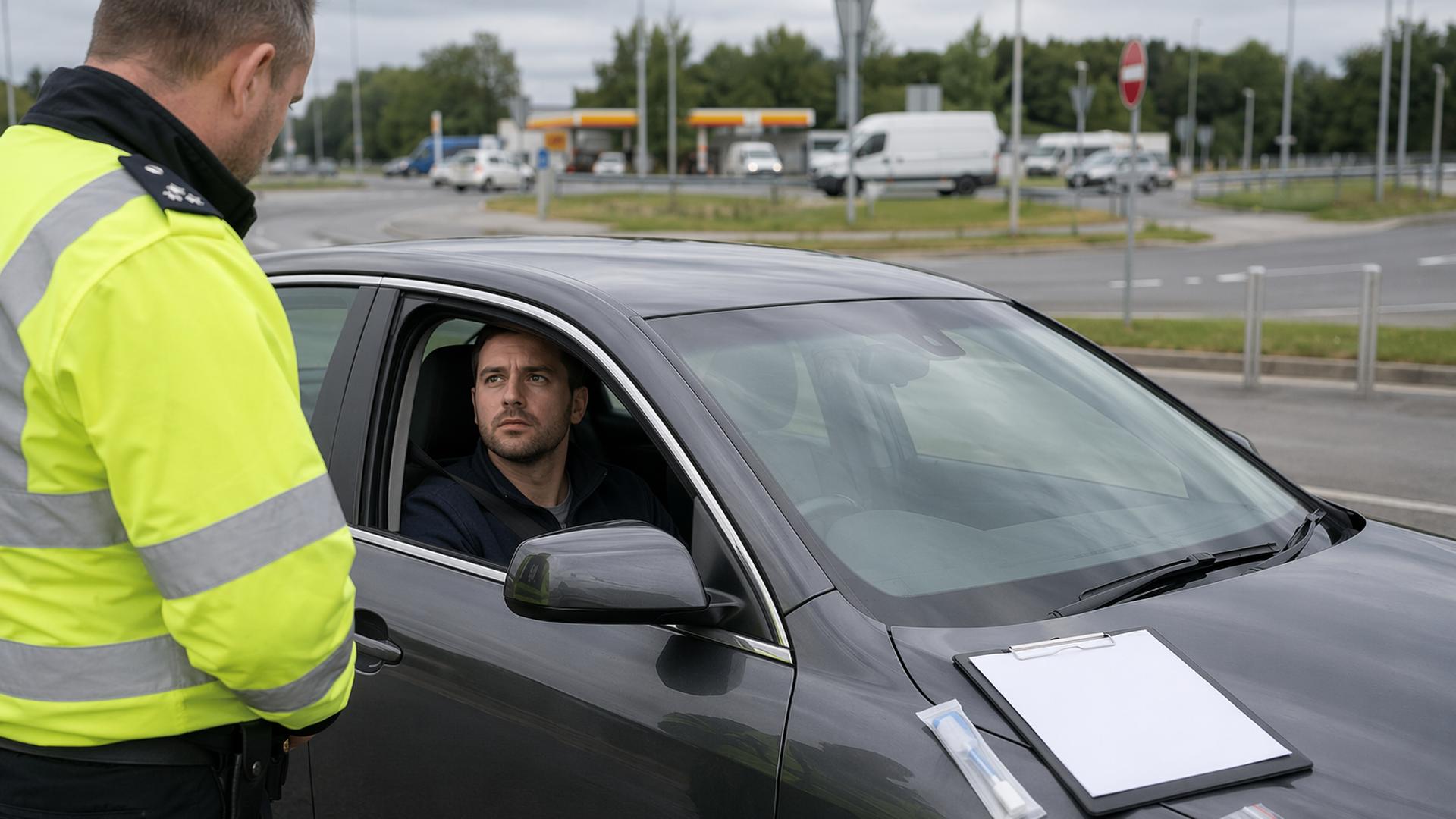
7 Things That Happen After a Positive Roadside Drug Test in the UK
Published by Drug Driving Solicitors, specialist defence lawyers for drug driving charges across England and Wales.
Failing a roadside drug test is a disorienting experience. Within moments, what began as a routine traffic stop can shift into a process that feels confusing, fast-moving, and high-stakes. Most drivers caught in this situation have little understanding of what comes next, let alone why each stage happens in the way that it does.
This article walks through seven things that happen after a positive roadside drug test result in the UK. Understanding each stage will help you make better decisions, ask better questions, and know when specialist legal advice is not just helpful but essential.
1. The Officer Administers a Statutory Warning
What the Warning Means in Practice
Before a police officer can require you to submit to a roadside drug swab, they must first administer what is known as a statutory warning. This warning informs you that your failure to cooperate with the test, without a reasonable excuse, is itself a criminal offence. It is not an informal advisory; it is a formal legal requirement set out under the Road Traffic Act 1988 and it must be given in the prescribed terms.
The wording of the warning matters considerably. Officers are trained to deliver it accurately, but in practice, the precise phrasing can vary, and any material deviation from the required form can have consequences for the admissibility of subsequent evidence. Many drivers are so focused on the situation around them that they do not register exactly what is being said to them in this moment.
Why This Step Carries Legal Weight
The statutory warning exists to protect the rights of the person being tested. It ensures that you are not compelled to self-incriminate without being aware of your obligations and options. If the warning is not administered properly, or is omitted entirely, a skilled defence solicitor may be able to challenge the legality of the entire process that follows.
This is one of the reasons why early legal advice is so important. A detail that seems minor at the roadside can become a central issue later in the proceedings. Drug driving cases are often won or lost not on the headline blood test result but on procedural steps like this one, which is why thorough scrutiny of every stage is central to a proper defence.
2. A Healthcare Professional Takes a Blood Sample
What Happens During the Blood Draw
Once you arrive at the custody suite, a healthcare professional, typically a forensic physician or a registered nurse, is called to take a blood sample from you. This is not something a police officer can do; the law requires that the specimen be taken by a qualified medical practitioner or a registered healthcare professional. The draw itself is straightforward, though the procedural steps surrounding it are subject to strict rules.
The healthcare professional will take two portions of blood from the same draw. One portion is retained by the police and sent for laboratory analysis. The other is offered to you as your own sample, which you may have independently tested if you wish. You are entitled to refuse your portion, but taking it can be strategically important, particularly if you wish to instruct your own forensic expert to analyse it at a later stage.
Your Rights Regarding the Sample
Many people are unaware that they have the right to their own portion of the blood sample. This entitlement is not merely a courtesy; it is a legal right, and failure by the police to offer you your part of the sample can itself constitute a procedural defect that affects the admissibility of the evidence. If you are not offered your portion, note this carefully and raise it with your solicitor as soon as possible.
You should also be aware that you can refuse to provide a blood sample, but doing so without a reasonable excuse is a criminal offence carrying the same penalties as a drug driving conviction. Reasonable excuses are defined very narrowly by the courts. If you have a genuine medical reason for being unable to give blood, such as a needle phobia or a relevant medical condition, you should raise it clearly at the time and ensure it is recorded.
3. Your Case Is Heard at the Magistrates' Court
How Magistrates' Court Proceedings Work
Drug driving offences under Section 5A of the Road Traffic Act 1988 are tried in the Magistrates' Court. The case will be heard either by a bench of lay magistrates or, in some courts, by a district judge sitting alone. The prosecution must prove beyond reasonable doubt that you were driving or attempting to drive a motor vehicle on a road or public place, and that a controlled drug was present in your blood above the specified legal limit.
If you enter a not guilty plea, the case will be adjourned for a trial at which both sides will present their evidence. The prosecution will typically rely on the laboratory analysis of the blood sample, the results of the roadside screening device, and the evidence of the officers involved. The defence may challenge any part of this evidence, including procedural steps, laboratory methodology, or the reliability of the type-approved device used.
Possible Outcomes and Sentencing
If you are convicted, the Magistrates' Court has several sentencing options available to it. A mandatory minimum disqualification of 12 months applies to a first offence; the period increases significantly for those with a relevant previous conviction within the preceding ten years. The court may also impose a fine of up to an unlimited amount, a community order, or in more serious cases, a custodial sentence of up to six months.
Attendance on a drink-drive rehabilitation course, which can reduce the disqualification period by up to one quarter, may be offered at the court's discretion. The DG10 endorsement, which applies to the standard Section 5A offence, will remain on your licence for 11 years from the date of conviction. The practical consequences, particularly for professional drivers and those whose employment requires a clean licence, can be severe and long-lasting.
4. The Roadside Device Produces a Positive Reading
How the Roadside Drug Test Works
The roadside drug testing device is a type-approved piece of screening equipment that analyses a swab of saliva for the presence of specific controlled drugs. In England and Wales, the devices currently in use are approved to screen for cannabis and cocaine. The swab is taken from the inside of the mouth and inserted into the device, which produces a result within a matter of minutes.
A positive reading from the device does not, on its own, constitute proof of a drug driving offence. It is a screening result, not a confirmatory analysis. The device is calibrated to detect the presence of a drug above a certain threshold, but it cannot measure the precise concentration in your blood, nor can it determine whether that concentration exceeds the legal limit specified in Schedule 2 to the Road Traffic Act 1988.
What a Positive Result Does and Does Not Prove
The positive reading gives the officer reasonable grounds to require you to accompany them to a custody suite for a blood test. It triggers the formal process, but it is the laboratory analysis of your blood that will ultimately determine whether a prosecution can proceed. Many drivers assume that a positive roadside reading makes their situation hopeless, but this is not the case.
There are a number of grounds on which the reliability or admissibility of a positive screening result can be challenged. The device used must be a type-approved model and must have been used in accordance with the manufacturer's instructions. If the device was not appropriate for the drug in question, or if there is evidence that it was not used correctly, this can be a significant point in the defence of your case.
5. You Are Charged or Told No Further Action Will Be Taken
The Charging Decision Process
After the laboratory analysis of your blood sample is complete, the results are sent to the police and, where appropriate, to the Crown Prosecution Service. A charging decision is then made. If the analysis confirms that the concentration of a controlled drug in your blood exceeded the legal limit, the police will generally charge you with a drug driving offence under Section 5A of the Road Traffic Act 1988.
The decision is not always straightforward. The prosecution must consider not only whether the blood result exceeds the limit but also whether all of the procedural steps were carried out correctly. If there are identifiable problems with the chain of custody, the blood taking procedure, or the statutory warning, the charging decision may be delayed or, in some cases, may result in a decision to take no further action.
What Happens If No Further Action Is Taken
A no further action decision means that the police or prosecution have concluded that there is insufficient evidence to proceed, or that proceeding would not be in the public interest. This does not necessarily mean that the initial suspicion was unfounded; it may simply mean that a procedural defect has rendered the evidence unusable. In these cases, you will be informed in writing and the matter will not proceed to court.
If you are charged, you will be given a date to attend the Magistrates' Court. You may be bailed, either unconditionally or subject to conditions, or you may be released under investigation while the decision is pending. At this stage, if you have not already done so, instructing a specialist drug driving solicitor is a priority. The period between charge and first court appearance is when the foundation of your defence is built.
6. You Are Arrested and Taken to a Custody Suite
What to Expect on Arrival at the Custody Suite
If the roadside screening device returns a positive result, you will be arrested and transported to a custody suite at a local police station. On arrival, you will be processed by the custody sergeant, who will formally book you in, explain your rights, and record the reason for your detention. You will be asked a series of standard questions, including questions about your health and welfare.
You have the right to have someone informed of your arrest, and you have the right to speak to a solicitor, either in person or by telephone, before any further steps are taken. This latter right is particularly important. The decision about whether to give a blood sample is one of the most consequential decisions you will face during the process, and it should not be made without legal advice if it can be avoided.
Your Rights While in Custody
The custody sergeant is responsible for safeguarding your welfare and ensuring that your rights are upheld throughout your detention. You must be told of your right to free and independent legal advice, and you should never feel pressured into waiving that right. Even if the officer suggests that the process will be quicker without a solicitor, taking legal advice at this stage costs you nothing and can make a significant difference.
Your detention at the custody suite will generally last only as long as is necessary to complete the blood testing procedure. Unless there are other reasons for your continued detention, you are likely to be released, either on bail or without conditions, once the blood sample has been taken. You will not receive the results of the laboratory analysis at this point; those will follow in the weeks or months ahead.
7. The Blood Sample Is Sent for Laboratory Analysis
The Role of the Forensic Laboratory
Once the blood sample has been taken at the custody suite, the police portion is sealed, labelled, and sent to a nominated forensic laboratory for analysis. The laboratory will conduct a detailed toxicological examination to determine the precise concentration of any controlled drugs present in the blood. This is the scientifically rigorous stage of the process, and it is the analysis that will form the backbone of any prosecution.
The laboratory's work goes beyond simply confirming whether a drug is present. It must quantify the concentration and compare it against the specified limits set out in law. For drugs such as cannabis, the legal limit under Section 5A is set deliberately low; the limit for delta-9-tetrahydrocannabinol, for example, is just 2 micrograms per litre of blood. Even trace amounts, well below any level associated with impairment, can exceed the statutory threshold.
How Long the Analysis Takes
One of the most common sources of anxiety for people awaiting the outcome of a drug driving investigation is the length of time it takes. Laboratory analysis can take anywhere from a few weeks to several months, depending on the workload of the nominated laboratory and the complexity of the case. Forces across England and Wales use different laboratories, and turnaround times can vary considerably.
It is worth noting that delays in the analytical process are entirely normal and do not indicate anything about the likely outcome. If the laboratory identifies any anomalies during the analysis, it may request a further examination or issue a qualified report. A specialist solicitor can help you understand any results or reports you receive and advise you on whether there are grounds to instruct an independent forensic expert to review the laboratory's methodology.
What Happens Next Is Not Inevitable
Receiving a positive result from a roadside drug test sets a process in motion, but it does not make a conviction inevitable. At every stage, from the administration of the statutory warning to the presentation of laboratory evidence at court, there are procedural and evidential requirements that must be met. A specialist solicitor who understands drug driving law in detail will scrutinise each of those stages thoroughly, because the difference between a conviction and an acquittal often lies in the steps that happened long before the courtroom.
Frequently Asked Questions
What Is a DG10 and How Long Does It Stay on My Licence?
DG10 is the DVLA offence code for driving or attempting to drive with a controlled drug above the specified limit, the standard Section 5A offence. It is recorded on your driving licence for 11 years from the date of conviction and is visible to any insurer who checks the DVLA database. Insurance premiums typically increase significantly following a DG10 conviction. A specialist solicitor can advise on the full implications of a DG10 for your specific circumstances, including the potential impact on employment and international travel.
What Are the Most Common Reasons Drug Driving Charges Are Dropped?
The most frequent grounds include failure to administer the statutory warning correctly before requiring the roadside swab; use of a device that was not type-approved for the drug in question; problems with the blood sample chain of custody; failure to offer the defendant their portion of the blood sample; errors in the laboratory analysis; and an unlawful stop or search. A specialist solicitor will review all of these as a matter of course rather than focusing solely on the headline blood test result.
What Are the Penalties for a Drug Driving Conviction in the UK?
A conviction under Section 5A of the Road Traffic Act 1988 carries a mandatory minimum disqualification of 12 months, an unlimited fine, up to six months' imprisonment, and a criminal record. The disqualification period can be substantially longer depending on the circumstances of the offence and any previous relevant convictions within the preceding ten years. A DG10 endorsement will remain on your licence for 11 years. The consequences can extend well beyond the courts, affecting employment, professional licensing, and entry to certain countries.
What Happens If I Refuse to Give a Blood Sample at the Custody Suite?
Refusing to provide a specimen without a reasonable excuse is a criminal offence under Section 7A of the Road Traffic Act 1988, and it carries the same penalties as a drug driving conviction, including the mandatory 12-month disqualification. Reasonable excuses are defined very narrowly by the courts, and a medical reason must be supported by evidence. You should not refuse without first speaking to a solicitor.
How Long Does It Take from Failing a Roadside Drug Test to Being Charged?
The process typically takes between two and six months, though it can take longer. The main source of delay is the laboratory analysis of the blood sample, which depends on the workload of the force's nominated laboratory. Once the laboratory report is received, the charging decision is usually made relatively quickly. If you have not heard anything within six months of the incident, seeking specialist legal advice on your position is strongly recommended.
What If the Drug Found in My Blood Was Prescribed by My Doctor?
A statutory medical defence exists under Section 5A(3) of the Road Traffic Act 1988 for drivers who can demonstrate that the drug was prescribed or supplied to them, that they took it in accordance with medical advice, and that their driving was not impaired. The defence is available but is narrower than many people assume; it must be properly evidenced and presented at court. Drug Driving Solicitors has specific expertise in cases involving prescription medication and can advise on whether this defence applies to your situation.
Drug Driving Solicitors is a specialist law firm representing clients in drug driving cases throughout England and Wales. If you have received a positive roadside drug test result and want to understand where you stand, contact the firm for a free initial consultation or visit drugdrivingsolicitors.co.uk. Getting advice early carries no cost, and it can have a significant bearing on the outcome of your case.
Feedback Form
Explore now
Happy Clients
They've visited, have you?
Happy Clients
I wanted to teach my kids more about our rich history. I planned a trip with Victorian Britain so that my kids could see the sites and learn about the history, they really loved it!
By
Dylan Marshall
Portsmouth